




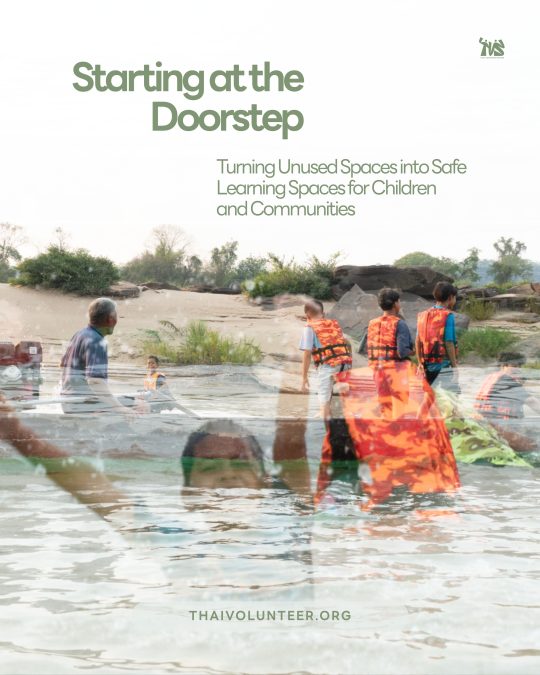
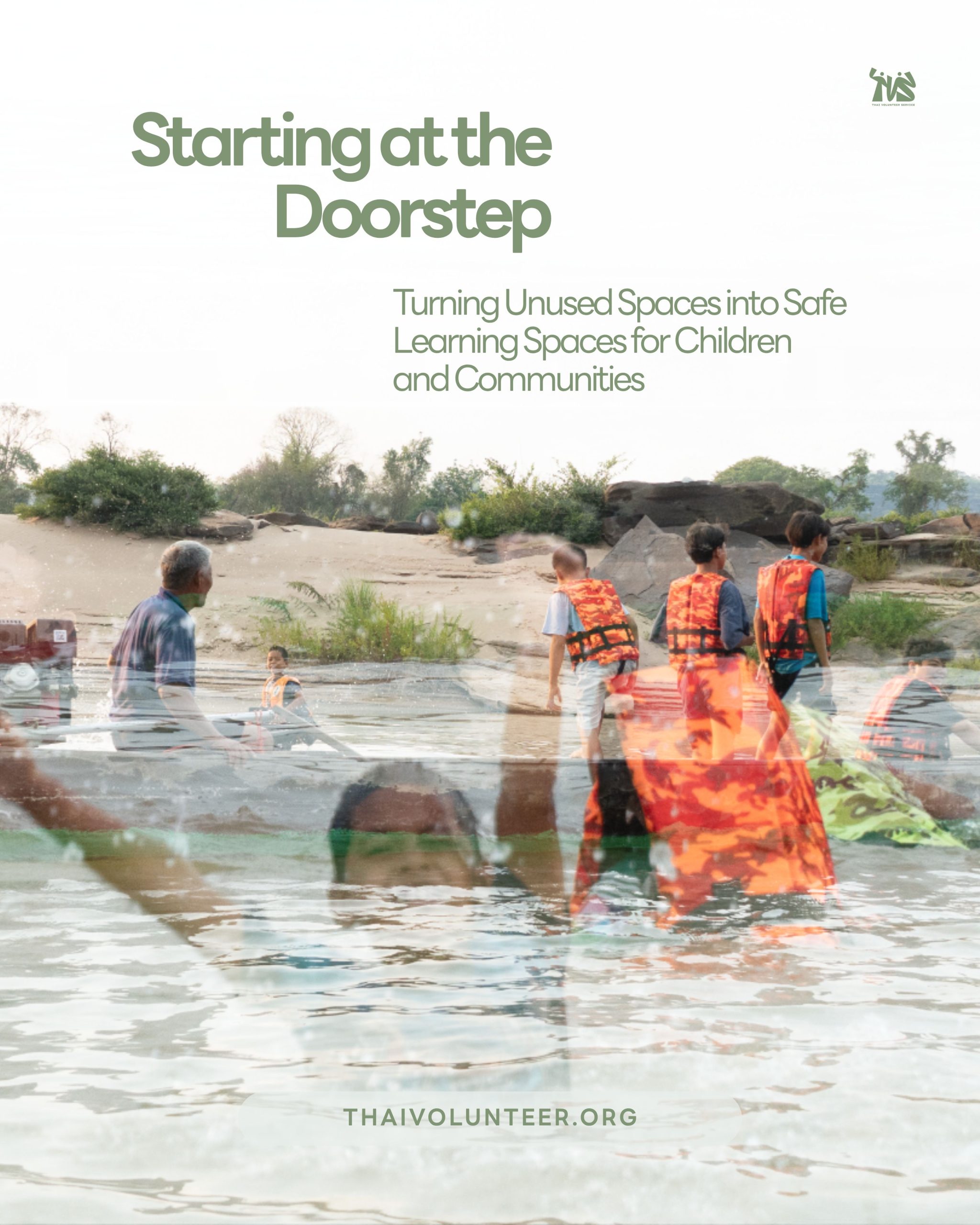
Effective, accessible learning can begin right at our doorstep. This is the idea behind community-based learning spaces, which aim to narrow the inequality in access to education by creating places that fit the way people actually live and keep pace with a changing society. It is also the heart of the New Generation and the Development of Community-Based Learning Spaces for Children Project, run by the Thai Volunteer Service Foundation (TVS) with support from the Thai Health Promotion Foundation, which has now grown into its 3rd cohort in 2026.
Renewal here does not mean building something new. It means looking again at what a community already has and finding a way for it to serve the children and the people who live there. This change starts with a new generation of leaders, determined to create learning opportunities and equality for children in their communities. They are not thinking in terms of short-term activities; instead, they are working toward an “ecosystem” that allows children, communities, and the natural environment to grow together.
When the teams from every site came together to revisit their own goals, they wanted to see children grow by learning through play in safe spaces, supported by a participatory, community-based learning ecosystem. Many of them believe that listening to the voices of children and young people is the key to development. As one reflection during the workshop put it, “it takes a village to raise a child.” Creating these spaces has therefore opened a door for people in the community to take part once again in caring for and building a safe environment together.
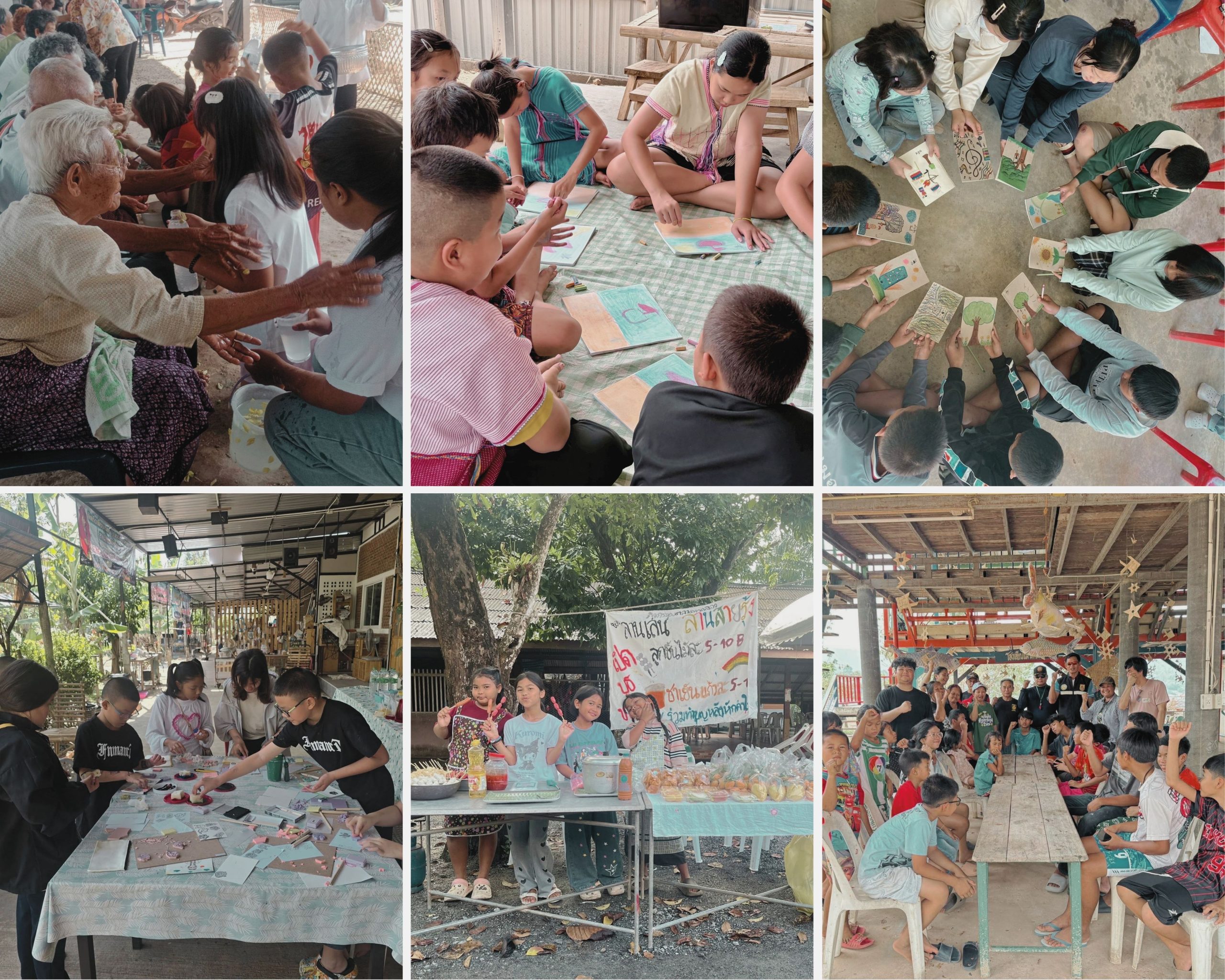
Growth That Takes Root in a Safe Space
Turning unused spaces in the community into safe spaces has produced change in 3 dimensions.
- Children’s development. These spaces have drawn children away from their phone screens, encouraging them to be more expressive, open to new things, and to discover their aptitudes through hands-on experience. Creating what one of the team described as “the only one of its kind in the world” has given them pride and a stronger sense of their own worth.
- The growth of the working team. The community leaders have gained the ability to run activities flexibly, to manage their own emotions, and to communicate and coordinate effectively with people in their communities.
- A community waking up. Parents and community leaders have come to trust the work in concrete ways. Communities have begun to take part by offering the use of their spaces, taking care of food, and willingly co-designing activities for the children.
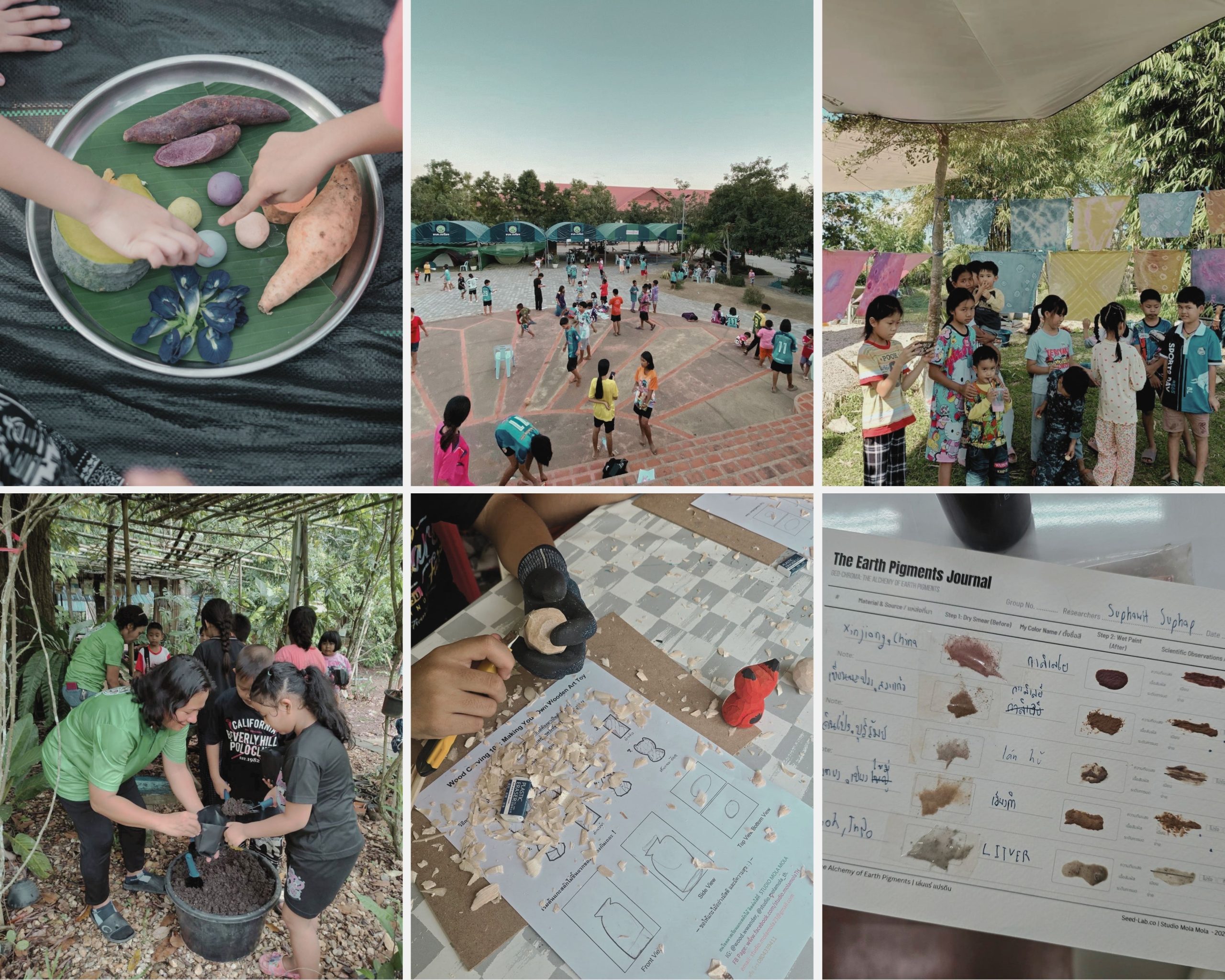
Toward Sustainability: Learning Spaces That Can Stand on Their Own
To ensure that community-based learning spaces are not just temporary, grant-dependent projects, the next stage of the strategy is to build the capacity of the new generation to manage their spaces as a social enterprise, described within the project as a business model for the sustainability of the learning space. The goal is for each space to allocate its own resources and sustain itself within 1 to 3 years.
Examples of this strategic direction taking shape include offering local learning courses that use the community’s stories and history as selling points, developing eco-tourism programs that engage children as tour guides, or opening community cafes linked with nature exploration activities to generate a steady stream of income. These business models are not only about financial sustainability but also raise the value of resources the community already has and put them to fuller use. All of these initiatives are currently in the design phase.
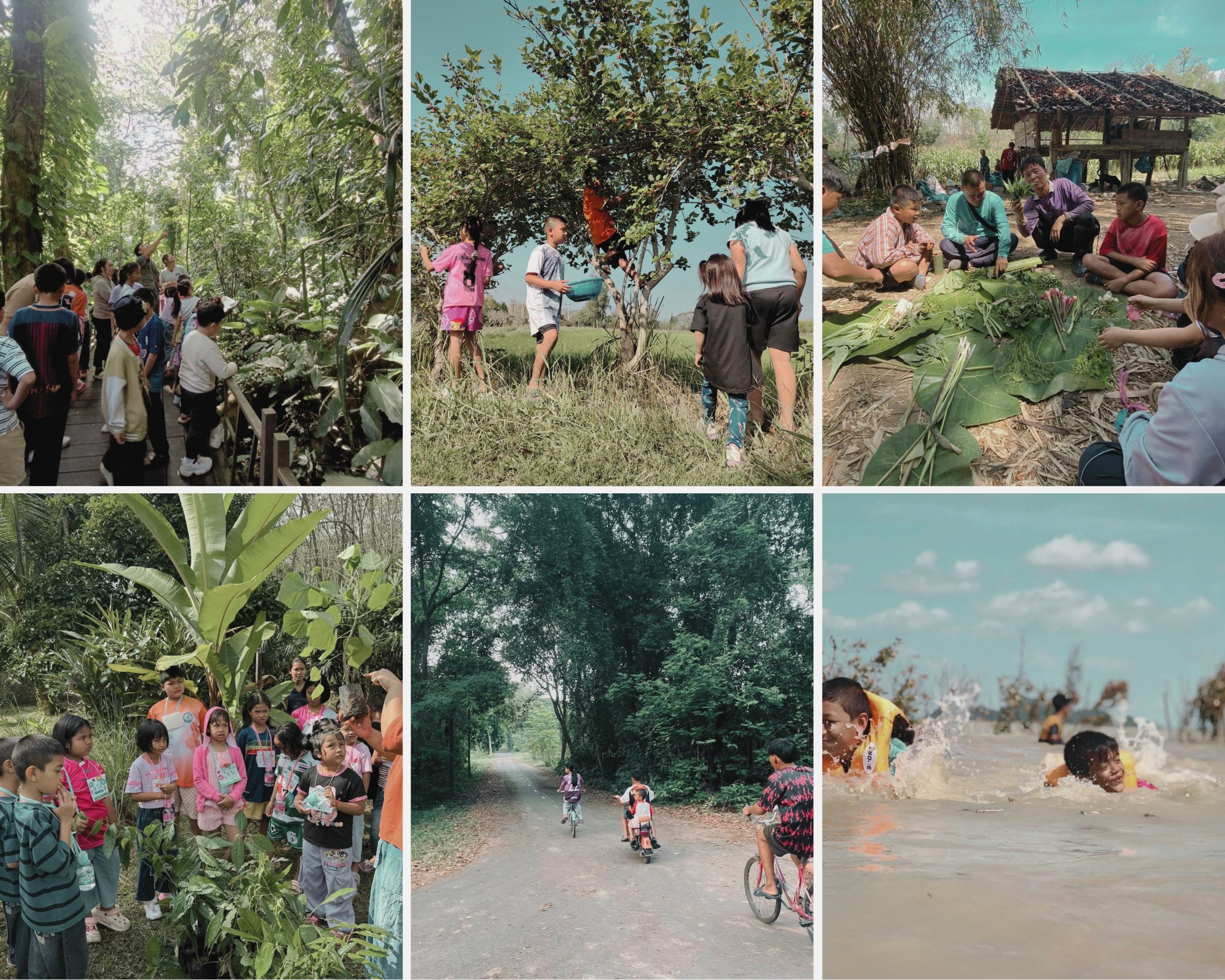
Starting at the doorstep is more than a figure of speech. It is a proposition that sustainable development can begin with what a community already has. The project rests on the belief that when young people are given the opportunity and the right skills, they have the capacity to create positive impact and to turn spaces in their communities into genuinely safe learning spaces, with the incubation process serving as the tool that allows both individuals and communities to keep growing on their own. What has happened over the past year has given that belief more weight and has also made the next question clearer, which is how to sustain the people who started this work.
About the Project
Currently, the New Generation and the Development of Community-Based Learning Spaces for Children Project is in its 3rd cohort, comprising a total of 13 participating learning spaces across 11 provinces.
These are divided into 4 continuing spaces that previously participated in the project:
- Pa Yang Bandan Jai, Chiang Rai
- Ban Din Sang San, Ubon Ratchathani
- Lan Len Lan Le, Phatthalung
- Huai Suan Khuan Nawa, Phatthalung
9 new spaces:
- Khuang Thawi Suk Happy Nest Playground, Chiang Rai
- Pho Mue No, Tak
- Mae Khanat Land, Lamphun
- Khok Phu Din, Roi Et
- La-o Pha-lo, Surin
- Malet Phan Ketri Learning Space, Satun
- Lan Len Lan Sai Rung, Nakhon Si Thammarat
- Khao Tao Community, Phang Nga
- Seed-Lab.co, Sa Kaeo
Words and design by Manunya (TVS)
Photos by Kamonlak Jirahitapat and the 13 participating learning spaces


 Thai
Thai  English