






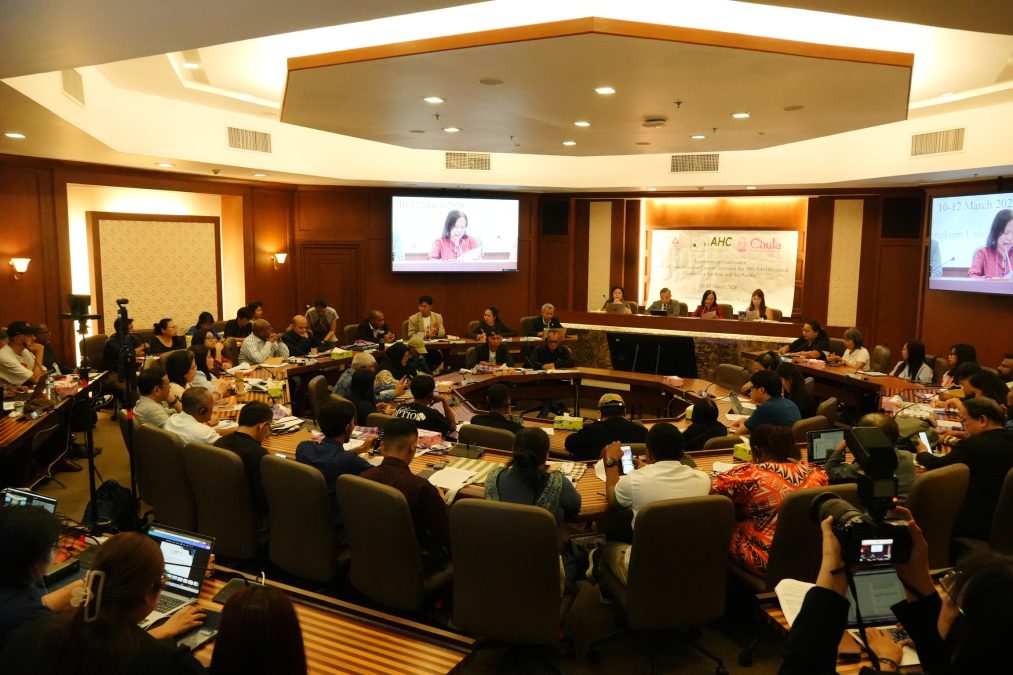
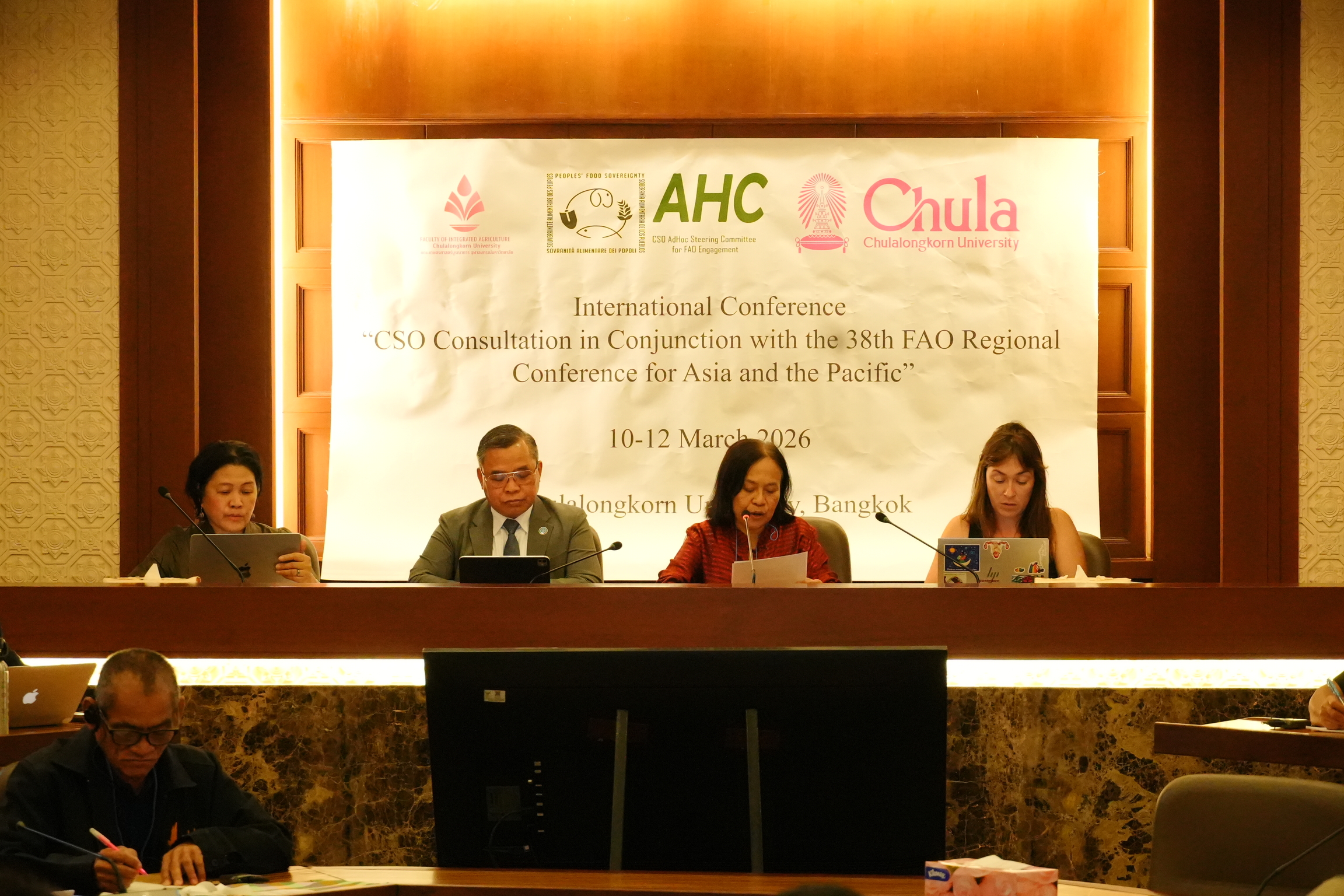
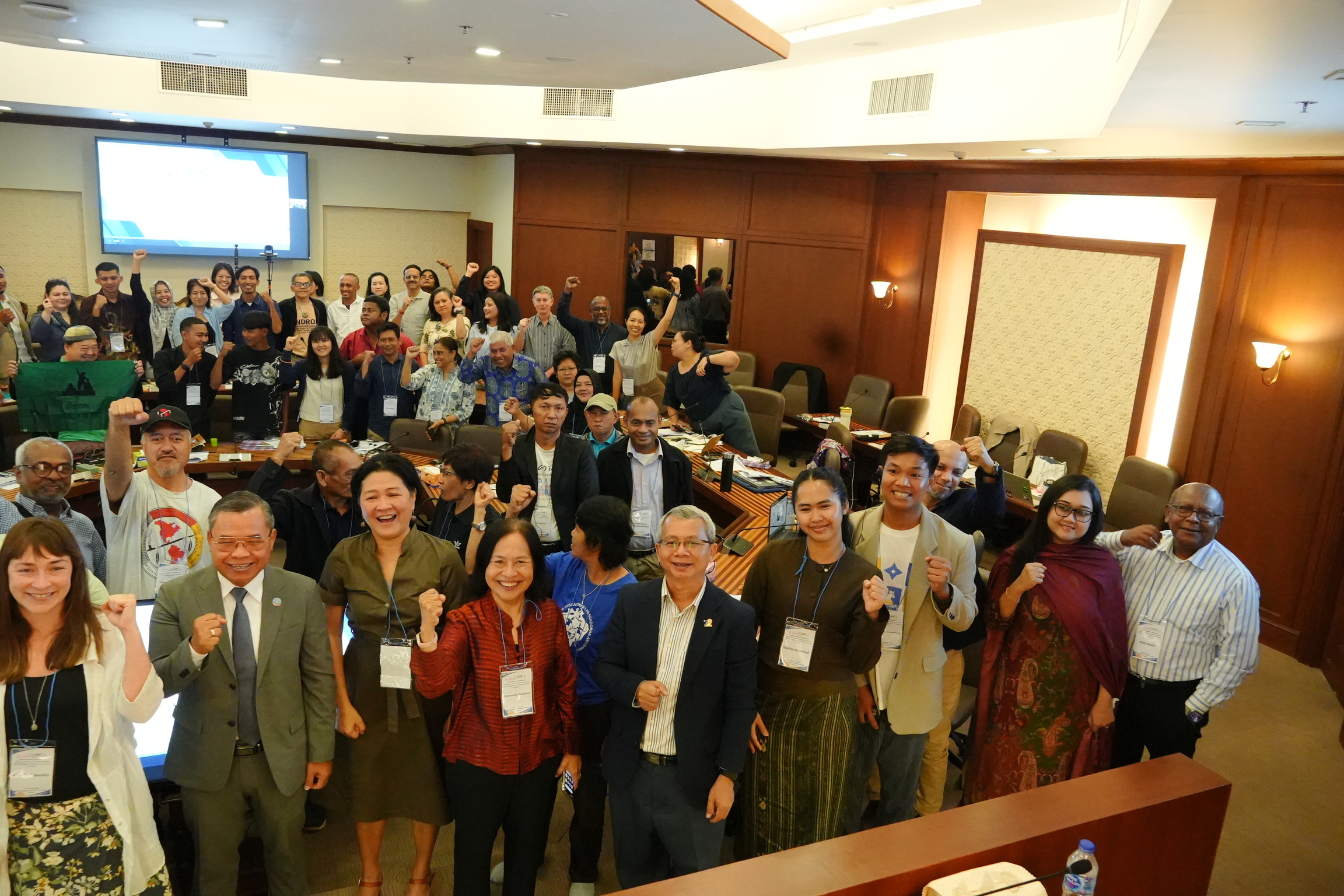
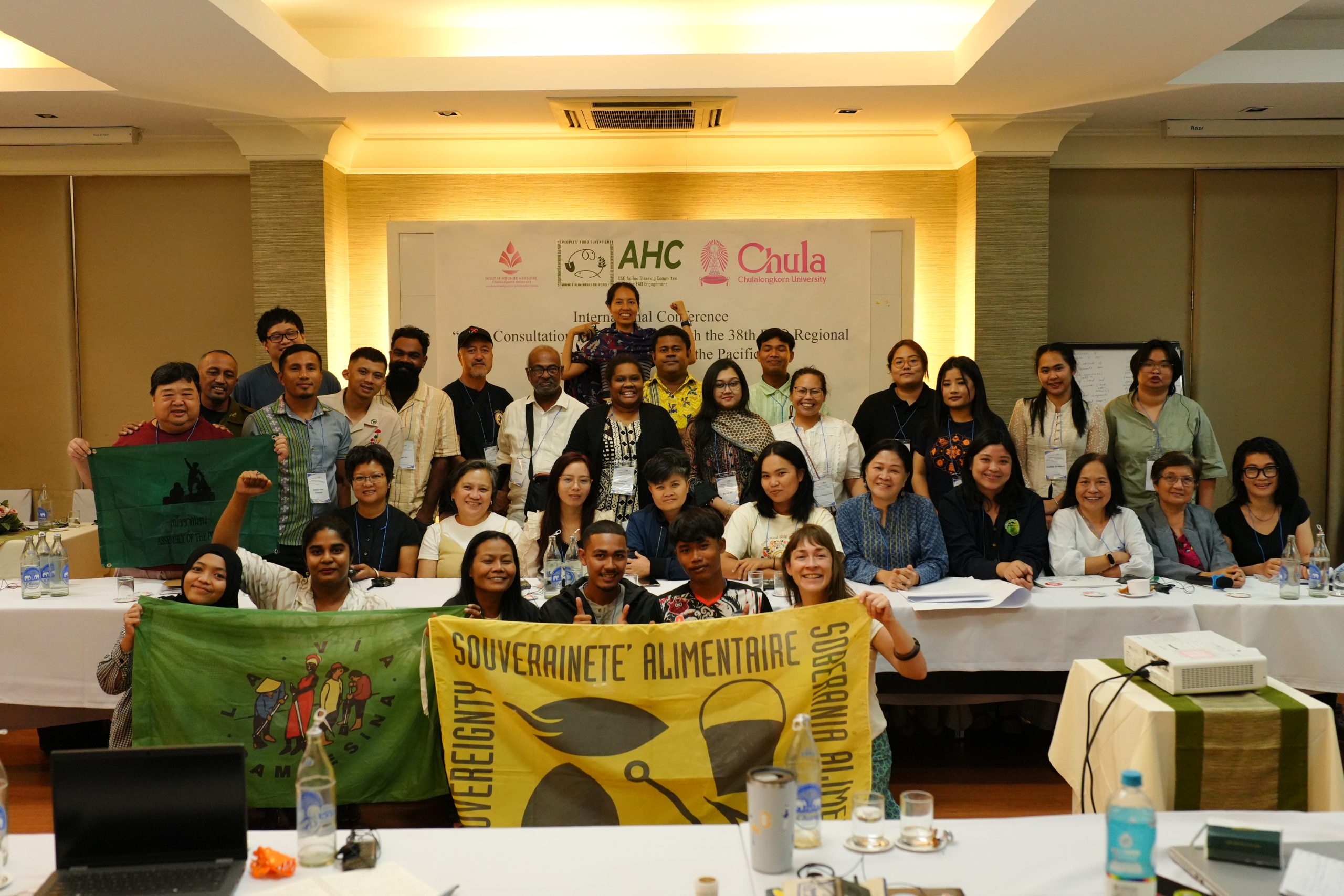
On 11-12 March 2026 at Chulalongkorn University, more than 70 delegates from 18 countries in Asia and Pacific of small food producers, farmers, peasanys, Indigenous peoples, and fisherfolk, as well as representatives from the UN Food and Agriculture Organization (FAO) and academia, convened at the Civil Society Organization (CSO) precursor to the 38th FAO Regional Conference for Asia and the Pacific (APRC), which will be held in Brunei Darussalam with a call for a systemic transformation of the agrifood systems of the region.
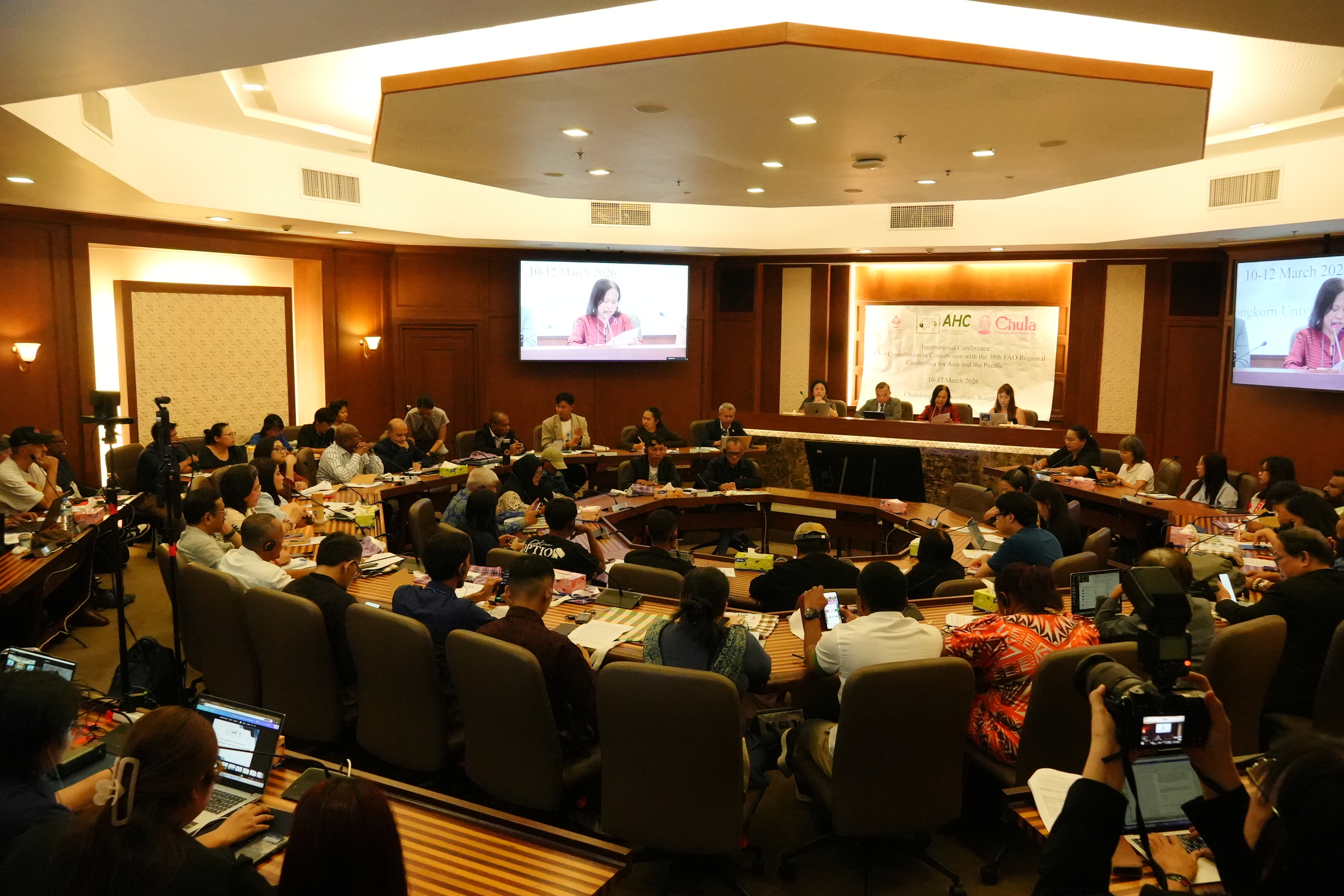
The Consultation was initiated amidst a backdrop of worrisome statistics. According to FAO Asia Pacific’s Assistant Director-General Alue Dohong, 320 million people in the region remain hungry. The structural constraints, climate change, and the increase of obesity pose a threat to the food security of the region. He emphasized that civil society organizations are indispensable partners and are committed to conveying the unvarnished truth to the APRC.
The Forum also included a critical analysis of the dynamics of debt in the economies of the Global South. While the region faces a significant financing gap, the delegates noted that the developing world pays 741 billion dollars more in debt servicing than they receive in new funding from 2022 to 2024 alone. The rejection of the technocratic approach was a major theme of the consultation. The platformization of the agrifood systems of the region by global technology corporations was also a huge concern that clouded the event.
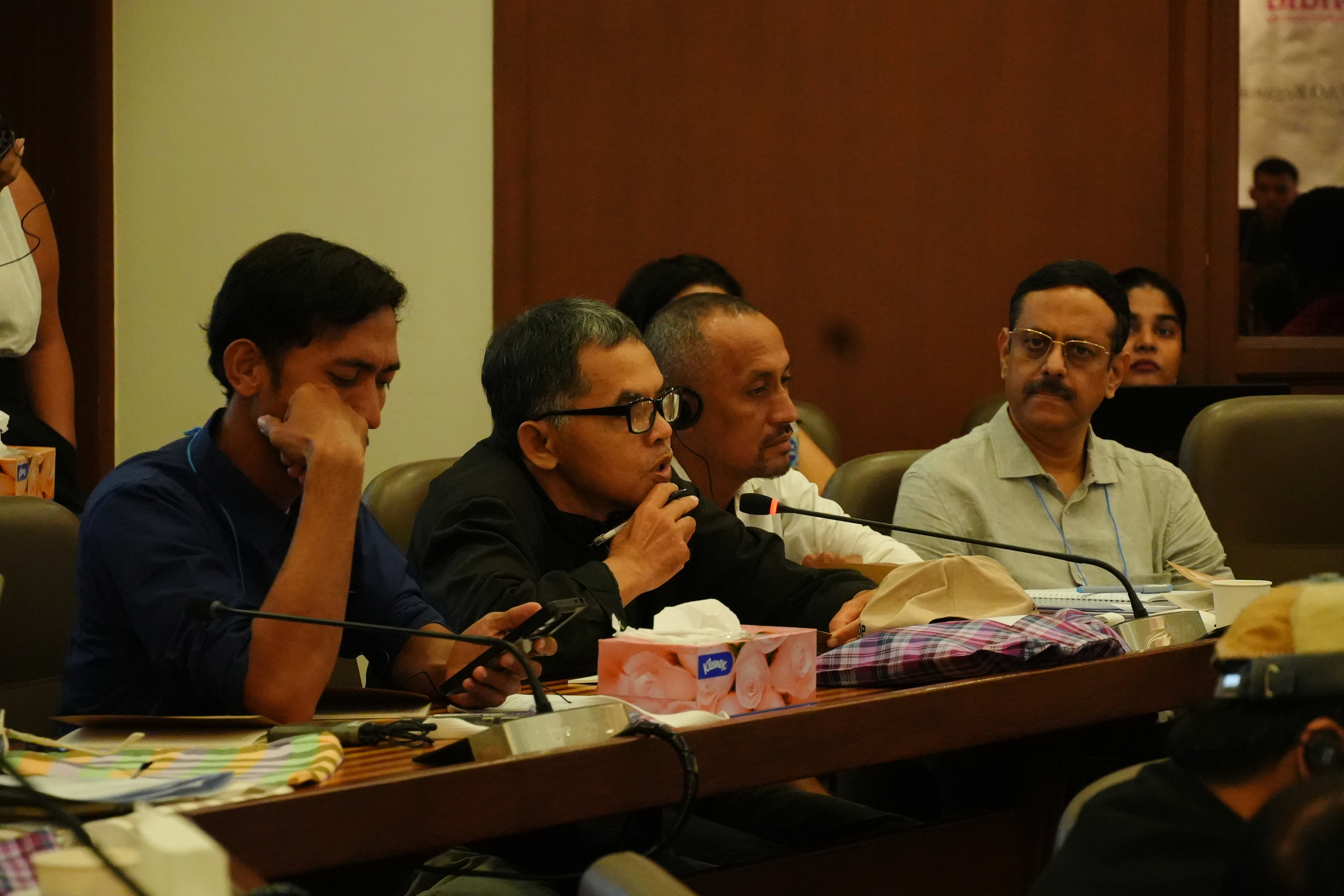
Young people had a strong presence at the consultation. Through their Declaration, they stressed that are not just recipients but “rights holders”, in the fight for food sovereignty and agro-ecology. The declaration pressed for immediate land reforms, social protection, and the inclusion of agroecology in the curriculum to end the stigmatization of rural living. Meanwhile, the fisherfolk and peasants representatives rejected the “Blue Economy” as a model of exploitation and instead adopted the “Blue Justice” approach, which focuses on the rights of small-scale produces, the traditional stewards of the seas and the main source of the region’s primary source of protein. Gender Intersectionalities, digital security, and the protection of local wisdom were also highlighted, amid diverse challenges being experienced on the ground.
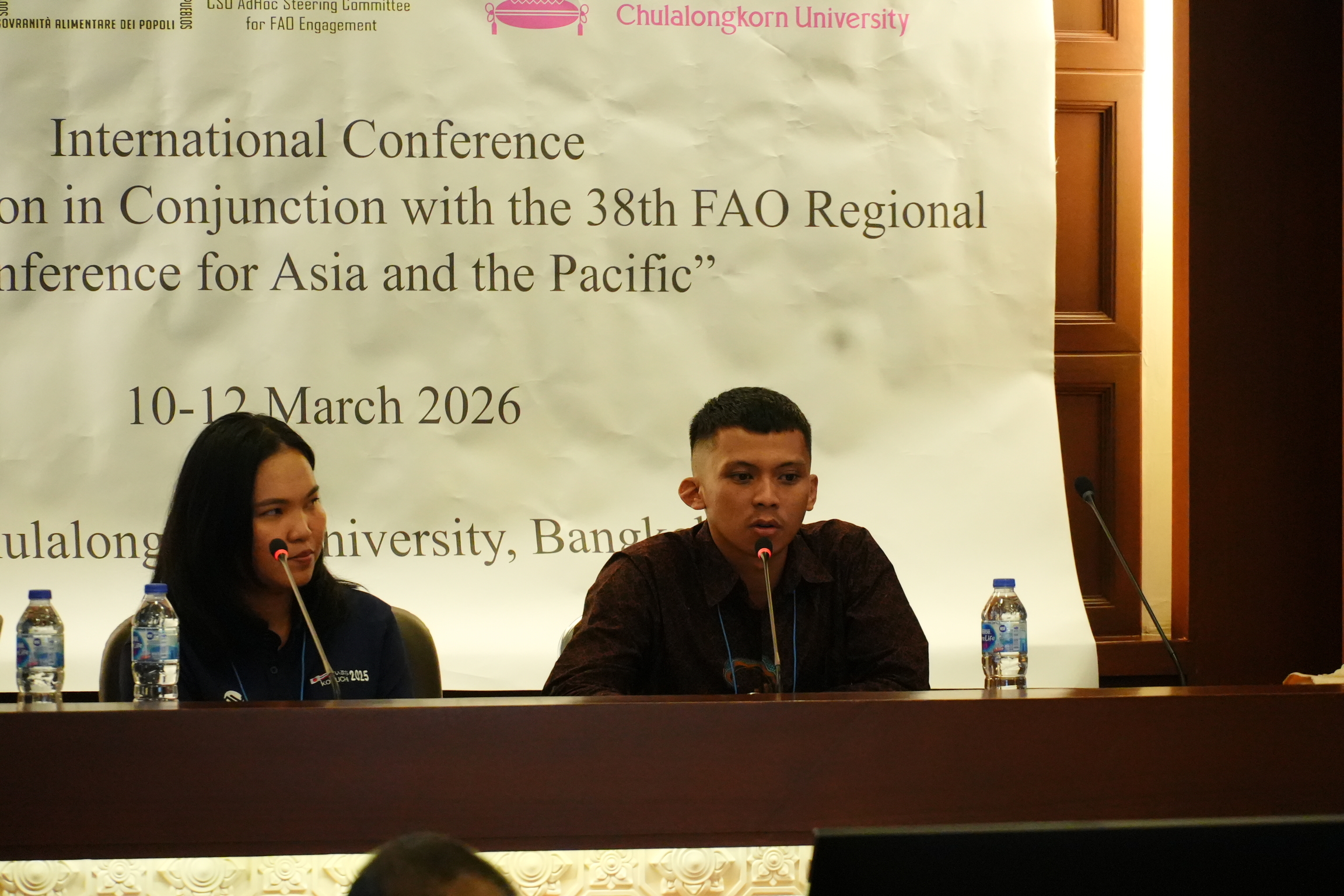
The CSO Consultation concluded with defining short term and long term strategies in connection to the APRC in April 2026. The common theme in the messages is the need to achieve food soverignty for all, not just achieving innovations and capitalist gains. According to Mirella Gavidia of AFSA noted “Agroecology is our tool to end the systemic oppression we have suffered,”. “We need to end capitalism and patriarchy to achieve food sovereignty.”




 Thai
Thai  English