






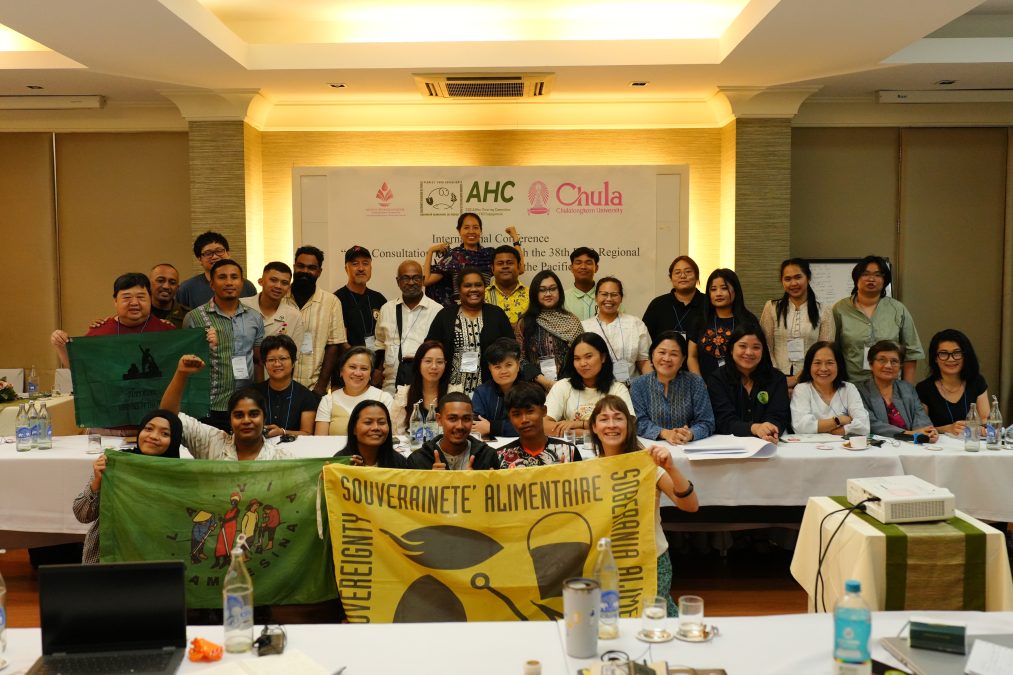
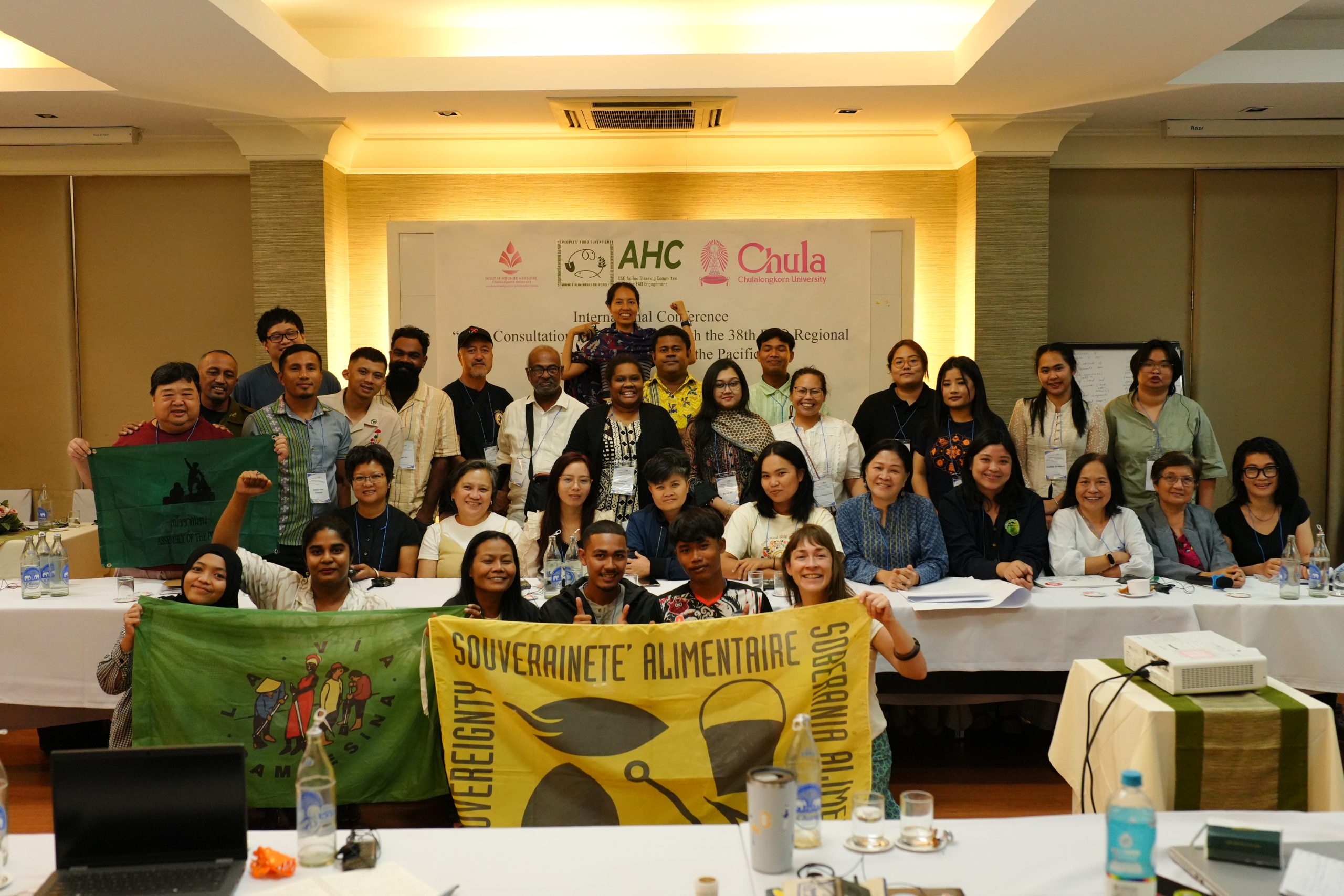
For the very first time in the history of the UN Food and Agriculture Organization’s (FAO) Regional Conference for Asia and the Pacific (APRC), young people from critical areas of Asia and the Pacific have forged their own space and voice in line with the CSO Consultation for the 38th APRC. This Dialogue, which was held on 10 March 2026 at Chulalongkorn University, was guided by the intergenerational, intersectional, and feminist approach. It brought together more than 30 participants from Thailand, the Philippines, Indonesia, Fiji, Sri Lanka, Bangladesh, Timor-Leste, and Aotearoa New Zealand.
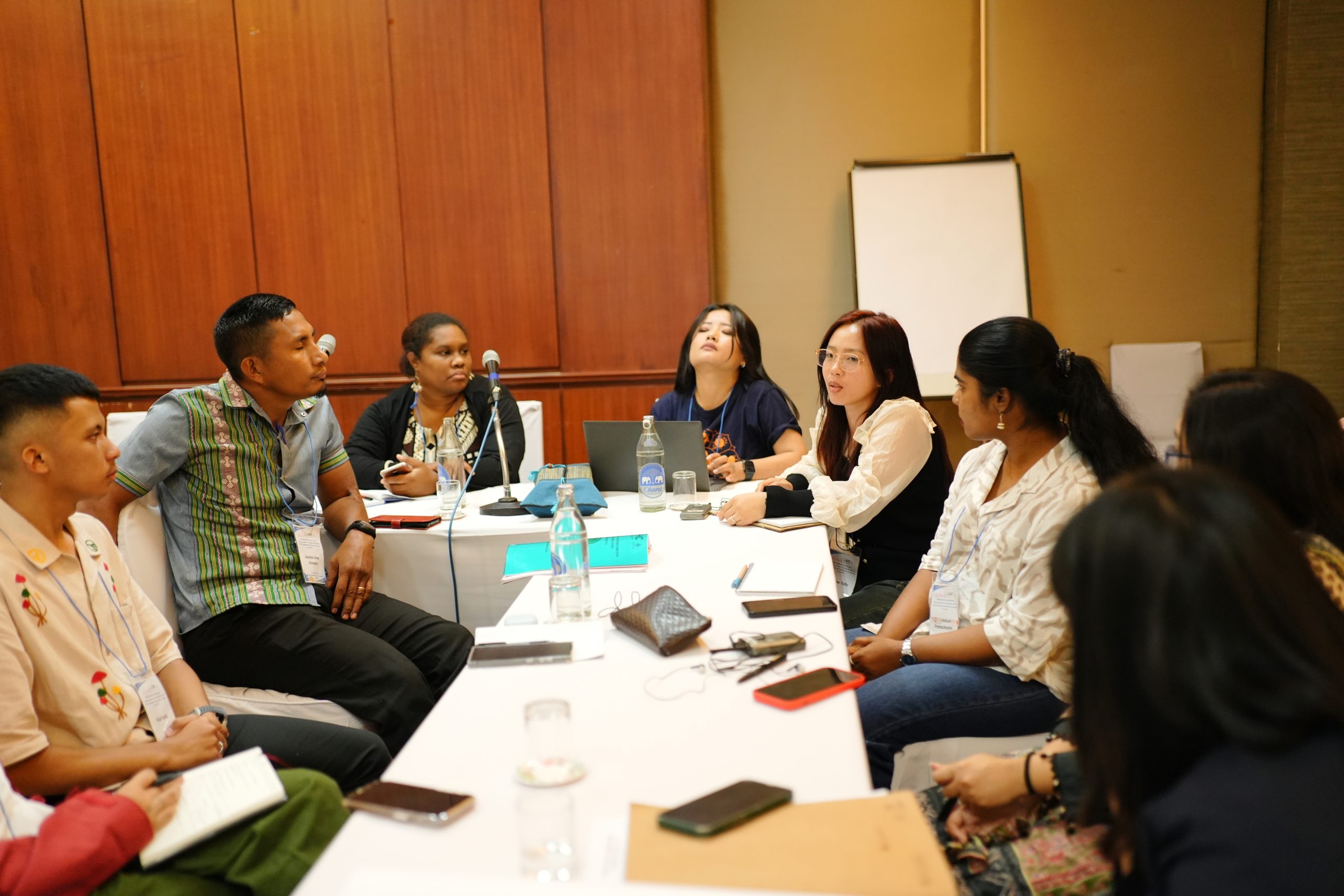
The Youth Dialogue sought ways of sustaining solidarity in order to overcome the obstacles faced by the youth in the agrifood system. Those who live in the margins have been facing obstacles such as land access, education-industry mismatches, climate injustices, and unpaid care work, which have opportunity costs. Along with this, participants actively shared stories of resistance against the forces of neoliberalism, patriarchy, and digital farming, which have led to the migration of rural youth. The Youth Dialogue also touched on the report from the FAO on the Status of Youth in Agrifood Systems, which noted the lived experiences, particularly the challenges faced by, of more than a billion young people who come from the Global South.
Collective strategies were forged to be able to achieve integration of food production into the school curriculum, the development of databases of best practices, the establishment of youth committees, the acquisition of land and sea rights, and the promotion of agroecology through the UNDROP framework.
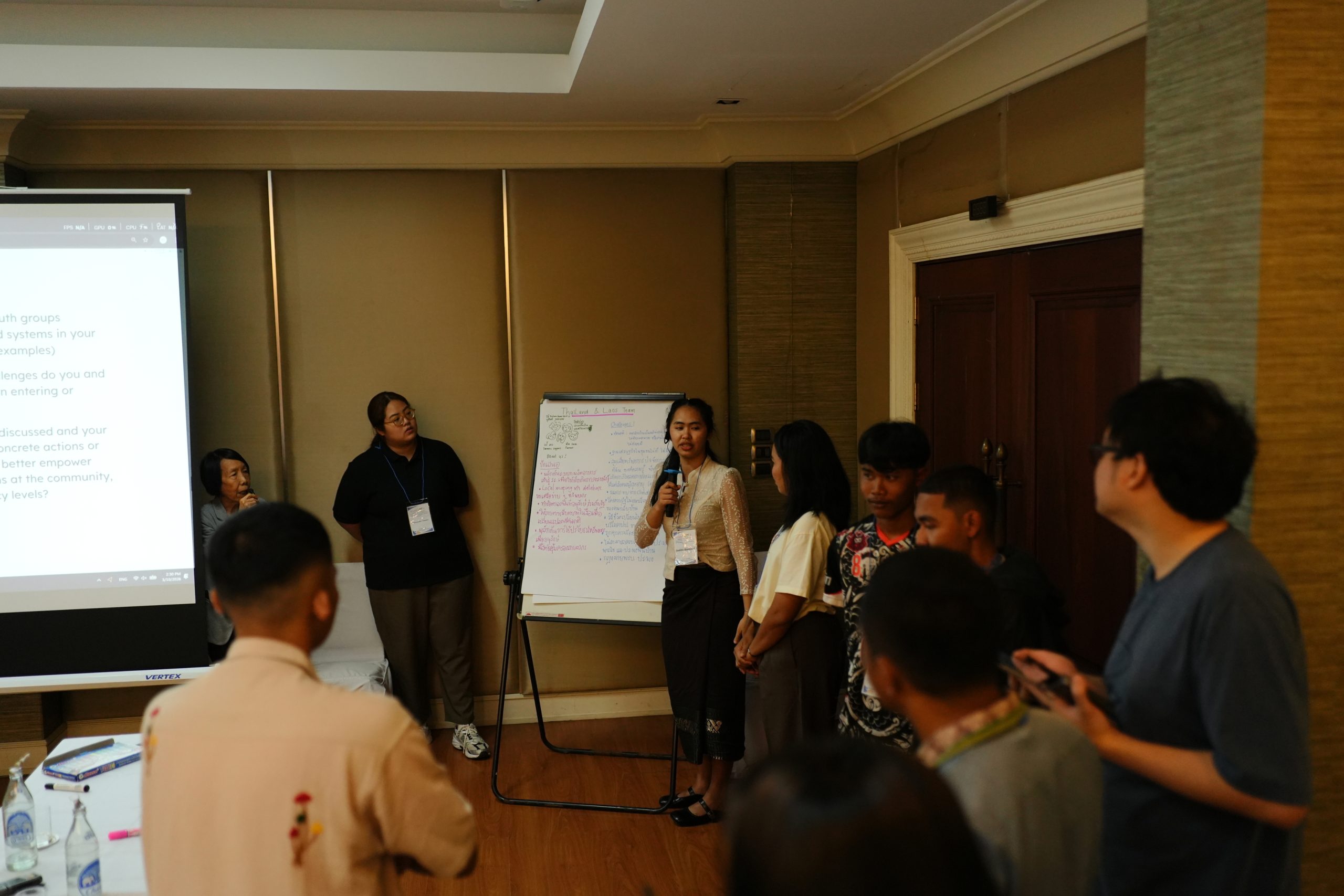
Dialogue participants then created a declaration, which urged the FAO to support the leadership of the youth in the agrifood system, the development of data systems, and the establishment of ways of managing the resources.
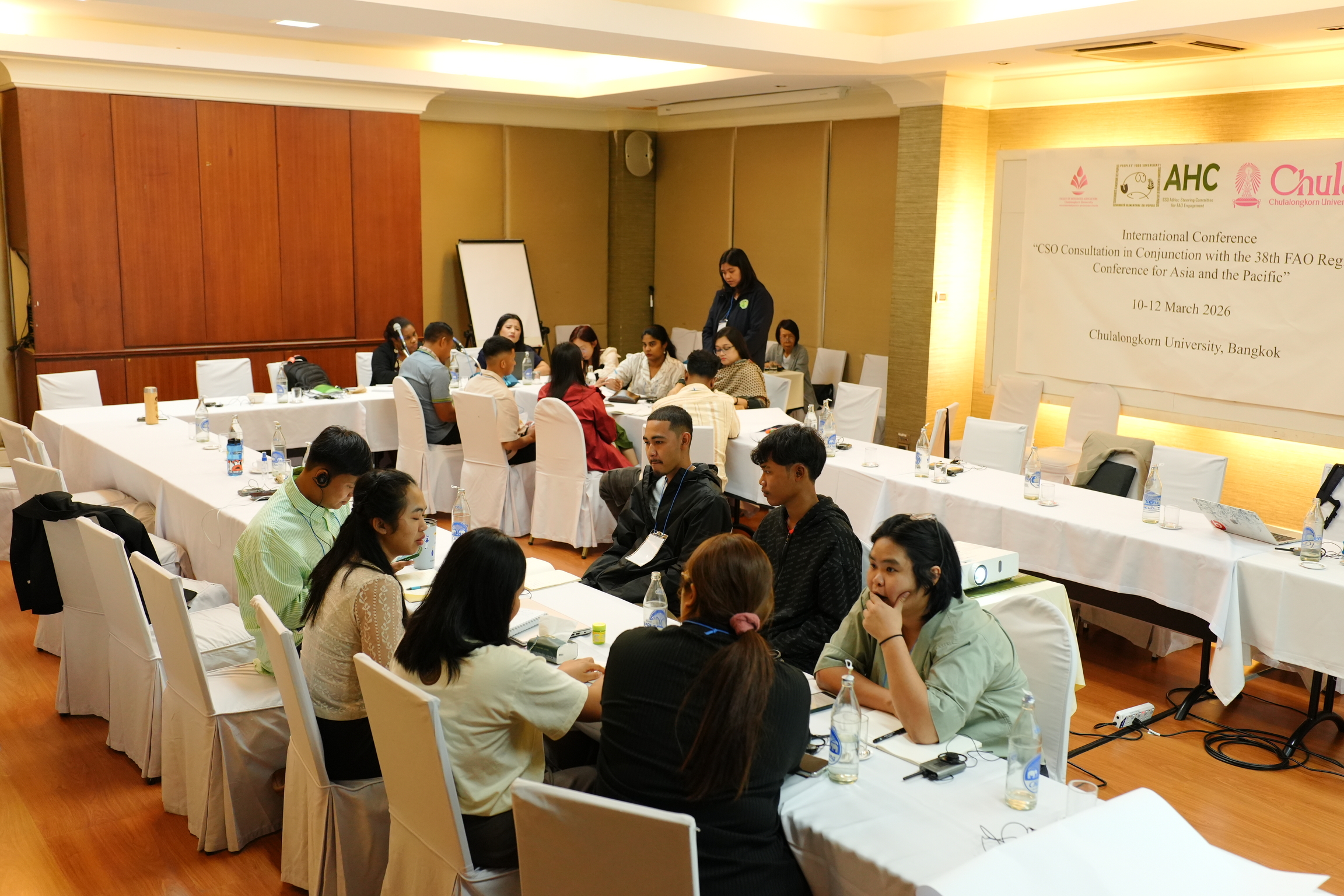
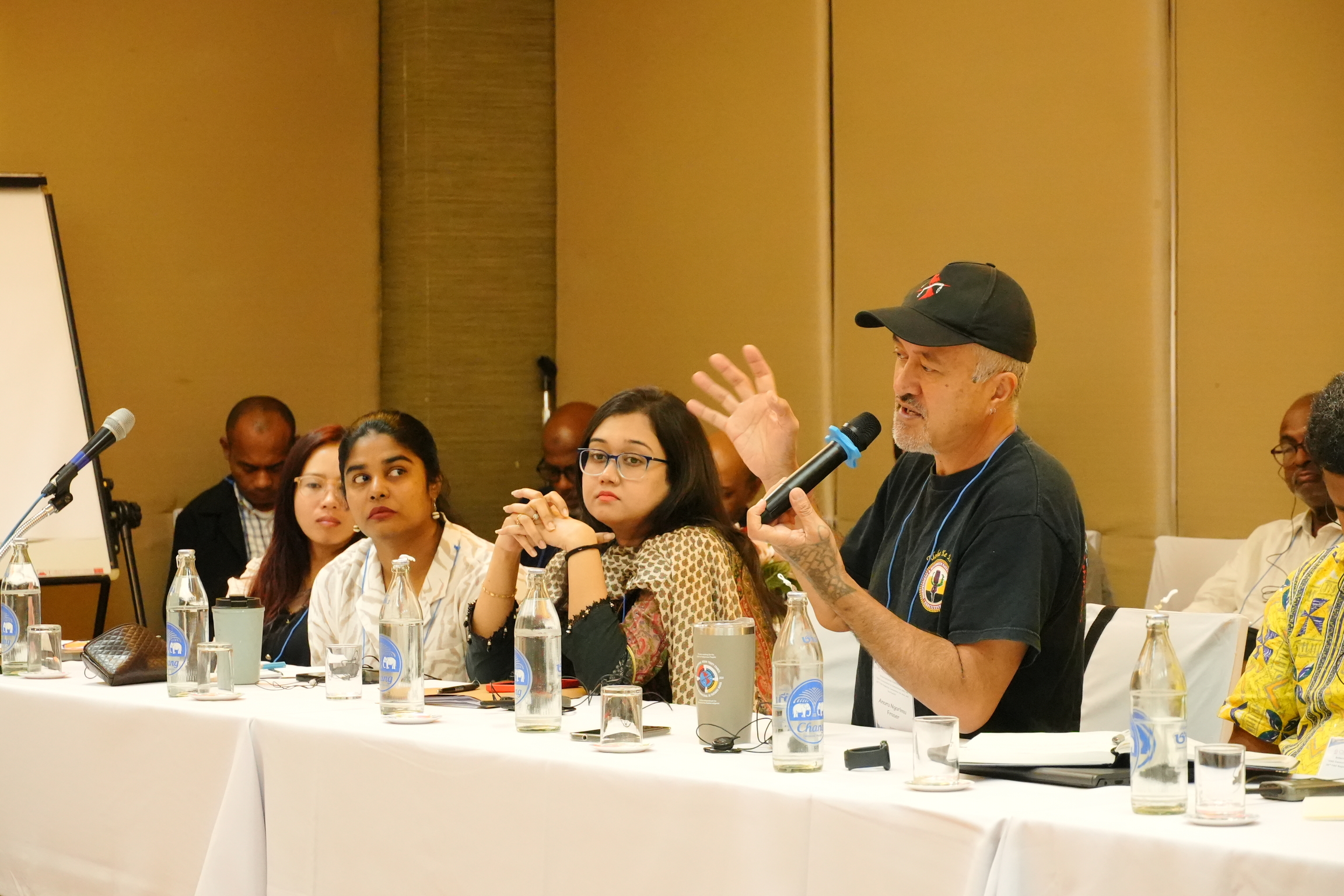
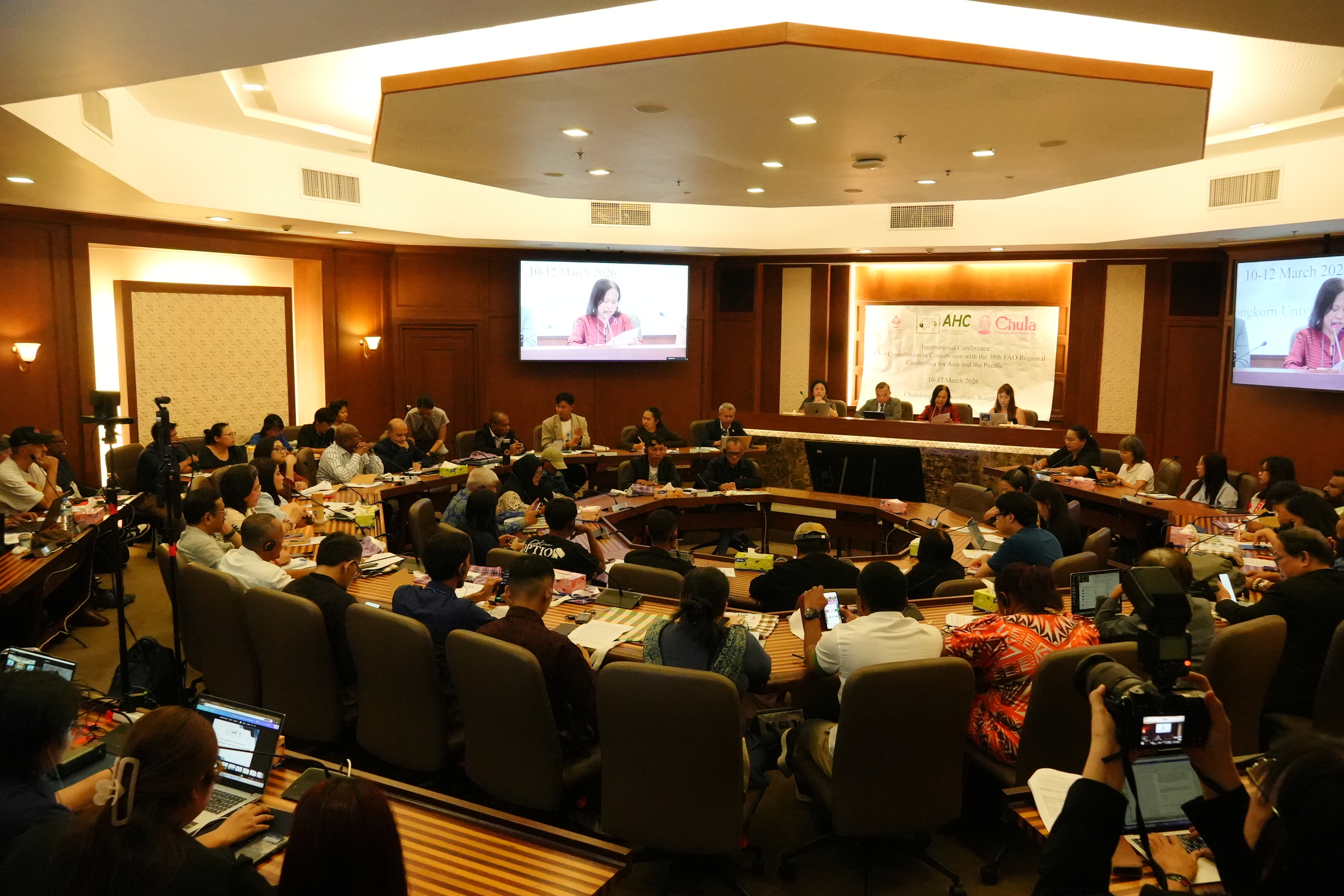
Althroughout the day, they were guided by the elders, who provided strategic directions, including the telling of stories, the building of solidarity, and the development of community-owned technology. They ended with hope, and the passion to integrate their voices for an inclusive and sovereign future for themselves and their communities.




 English
  Thai
Thai